The old pair of sneakers that saved Lego

If there is a catchphrase in the corporate world lately, that is definitely Big Data, which can be defined as the storage of huge amounts of data from every possible source and its use for determining repetitive patterns. Personally, I believe that the correct term should be A lot of Data because we are not talking about how big every piece of data is but the massive amount of data we are handling.

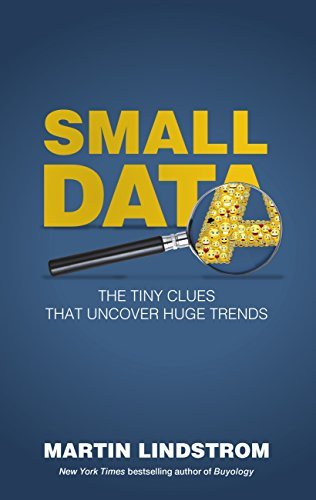
For this reason, Martin Lindstrom, author of the international bestseller, Buyology, in his latest book Small Data says that “Big Data is data and data favors analysis over emotion” and also states that it is difficult for him to imagine data capturing many of the emotional qualities that we -humans- most value, such as: beautiful, friendly, sexy, awesome, cute, etc., and this is because if data itself could only express the purest emotional decisions humans make, then accountants, and not poets, would be the cultural prototype for great lovers in history.

Saatchi and Saatchi CEO, Kevin Roberts, indicates: ”great brands have two advantages: (1) they evoke respect for their technological performance, durability, and effectiveness; and (2) they evoke love because… we love them”. This could be the case of brands like Disney, Lego or Apple. They are both respected and loved and this exactly at what Big Data is not proficient at: measuring certain aspects, such as love.

And here is where the interesting story develops: it was the the first half of the decade of the 1990s and Lego’s sales were declining which had executives of the company worried about studies that indicated a trend in which children were beginning to migrate to another type of games that more easily provided them with instant gratification. In response to these trends showed by those reports, the company executives were considering making Lego game sets easier to complete, in other words: dumbing the toys down. At that time, Lego started to move on towards different business lines -theme parks, children’s clothing lines, video games, books, TV programs, etc- and, at the same time, thinking of manufacturing bigger bricks for the ease of use of its toys by children. All of this because the future seemed to be doomed: future generations would lose interest in LEGO.

But, in an unexpected turning point, everything changed as a result of a visit Lego marketers paid to the home of an 11 year old boy in Germany by early 2004. That same day, Lego executives realized that everything they though they knew through studies and reports was completely wrong.

This boy was not only a Lego enthusiast but also an assiduous skateboarder that when asked which one of his possessions he was most proud of, did not hesitate to signal to a pair of Adidas sneakers with ridges and nooks along one side. He explained proudly to them that they were kind of a trophy, gold medal or masterpiece. In fact, those frayed sneakers were the evidence to his friends that he was one of the best skateboarders in the city, because one side of the sneaker was worn down right when the grip tape of the skateboard scratches it. It all fitted perfectly.

At that very instant, it all made sense for the Lego marketers. They realized that children acquire social status among their peers through the mastery of a skill, no matter what skill that is. The same occurs when this kid receives a Lego game set for his birthday, which causes he wakes up at 4 am and stays until midnight to try to build it no matter how long it takes. The satisfaction lies in the fact of having something tangible to show his mastery, in this case it could be a finished Lego model or even a pair of worn down sneakers.

Until that moment, all the decisions that Lego made were based on Big Data, but that small insight caused that Lego did the opposite to what the reports and studied suggested. They made their toys even more difficult to assemble and more thematic -Star Wars, Minecraft, etc.- to attract more children. Almost ten years later, Lego released a super successful movie and surpassed Mattel to become the world’s largest toy maker.

All of this is the opposite of Big Data, according to Martin Lindstrom it is called Small Data, and it means treating humans not as a number but as humans. You can buy the book from Amazon in the following link:
41y8GFhNQnL._SL500_


You can also watch a shot video for an interview to Martin Lindstrom about his book

Cliente, véndase a si mismo (Parte I)

El título de este artículo es el de uno de los capítulos más atrayentes que tuve la oportunidad de leer del libro ¨Nosotros es más inteligente que yo¨ de Barry Libert y Jon Spector, dos experimentados ejecutivos de marketing que analizan en su obra el poder social del marketing y las redes para lograr resultados excepcionales, basándose en casos impecablemente expuestos y sustentados.

Entre los ejemplos citados por los autores sobre el uso acertado del crowdsourcing, me interesó mucho el que trata acerca de Procter & Gamble en USA, donde a través de un uso inteligente del marketing boca-oreja y de un presupuesto de campaña para nada ingente se pudo lograr una de las mejores campañas sociales de marketing. Con un slogan que nos hace saber que ¨tres mil millones de veces entran en las vidas de la gente de todo el mundo¨, P&G también accede a la vida de las personas de otra manera: ofreciendo los servicios de cientos de miles de madres y adolescentes como vendedores que hablan y comunican las bondades de sus productos.

Los conectores, como P&G les denomina, son ya sea madres jóvenes con hijos menores de edad, que llegan en número a casi medio millón, o adolescentes muy sociables, aproximadamente un cuarto de millón en el caso de estos; que, para darse una idea de su alcance, conectan diariamente con unas veinticinco personas en el caso de las madres, en comparación a los cinco contactos diarios de una madre común, y que poseen unos ciento cincuenta amigos en el caso de los adolescentes, a comparación de los veinticinco amigos con los que tiene contacto un joven promedio. Estos contactos generalmente se realizan a través de medios electrónicos, contacto directo o cupones.

Bajo la premisa de que a todos nosotros nos gusta hablar sobre los productos que compramos y utilizamos, se calcula que cada semana una persona corriente menciona cincuenta y siete veces marcas concretas en casi un centenar de conversaciones que entabla de manera social. Esto representa una gran oportunidad de llegar a un público, generalmente, asiduo de intercambiar experiencias, teniendo en cuenta que varios estudios demuestran que los consumidores actuales confían mucho más en lo que les transmite un amigo de confianza o una persona a la cual respetan, que en lo que difunden los anuncios de televisión u otros medios publicitarios.

Esta iniciativa consta de dos partes distintas: Vocalpoint, que utiliza a las madres con hijos menores de edad y se centra en productos de P&G, y Tremor, que cuenta con adolescentes con alta capacidad de llegada y trabaja productos de clientes de P&G.

Un caso de éxito de la división Vocalpoint, constituyó el lanzamiento del lavavajillas Dawn Direct Foam, donde el director de campaña percibió la conexión de las madres con el producto cuando lo miraban y exclamaban: ¨¡es tan práctico! hasta mis hijos querrán ayudarme en casa¨, lo que llevó a establecer el tema de conversación de las madres en su campaña boca-oreja, ofreciendo consejos útiles para conseguir que los niños realizaran más tareas domésticas, lo que resultó en un incremento de ventas del producto de casi el doble desde su lanzamiento.

Otro caso de éxito, esta vez de la división Tremor, ocurrió en el año 2005, cuando la industria lechera de USA preparaba una campaña dirigida a que los adolescentes reemplazaran el consumo de bebidas gaseosas por el consumo de leche, tres veces al día de manera ideal, con el objetivo de alcanzar un peso y grasa corporal saludables. Como parte de esta campaña denominada ¨3X/Day¨, los adolescentes conectores recibieron pulseras con el logo del proyecto y material informativo acerca de los beneficios de tomar tres vasos de leche al día e incluso la posibilidad de registrarse en un sitio Web para descargar un diario de seguimiento de su progreso en el reto así como de recibir una pulsera por correo. Como resultado de la campaña, se consiguió que casi un millón y medio de adolescentes hablaran y consumieran mas leche y por ende un considerable aumento en las ventas.

En conclusión, casos como estos nos recuerdan que muchas veces las marcas, especialmente en medios tradicionales, piensan que el consumidor es el mismo que el de hace 30 años, donde comprar una pauta publicitaria televisiva significaba hacerle saber al consumidor sobre, prácticamente, la única alternativa de compra que tenía a su disposición. El caso de éxito de P&G, una de las más grandes trasnacionales fabricantes de productos de consumo masivo a nivel mundial, en el uso a su favor de los contactos de sus mismos consumidores, refuerza la premisa de que una de las formas más potentes de marketing se da a través de un mensaje positivo procedente de un amigo de confianza, o como indicaba el mismo A.G. Lafley, director general de P&G ¨el consumidor se ha convertido en el mejor vendedor¨.

20130729-174257.jpg